


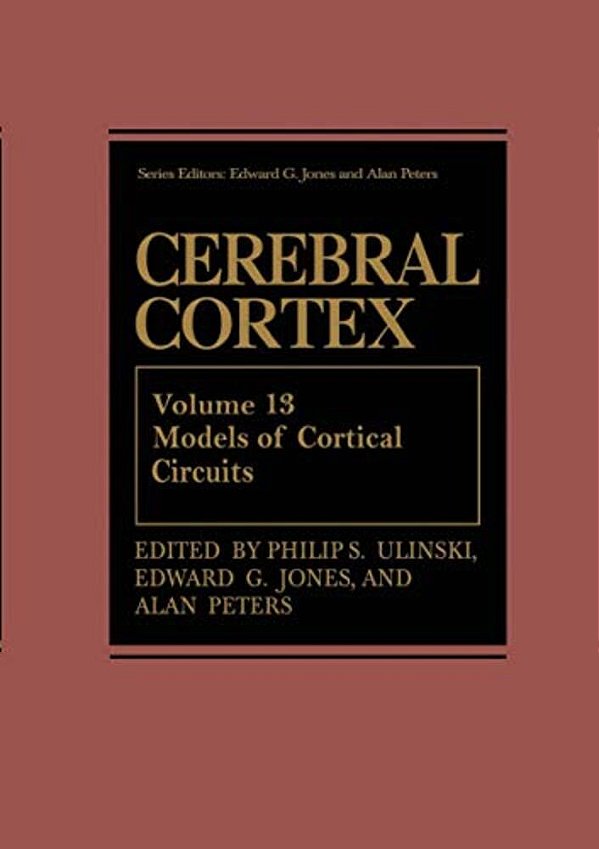
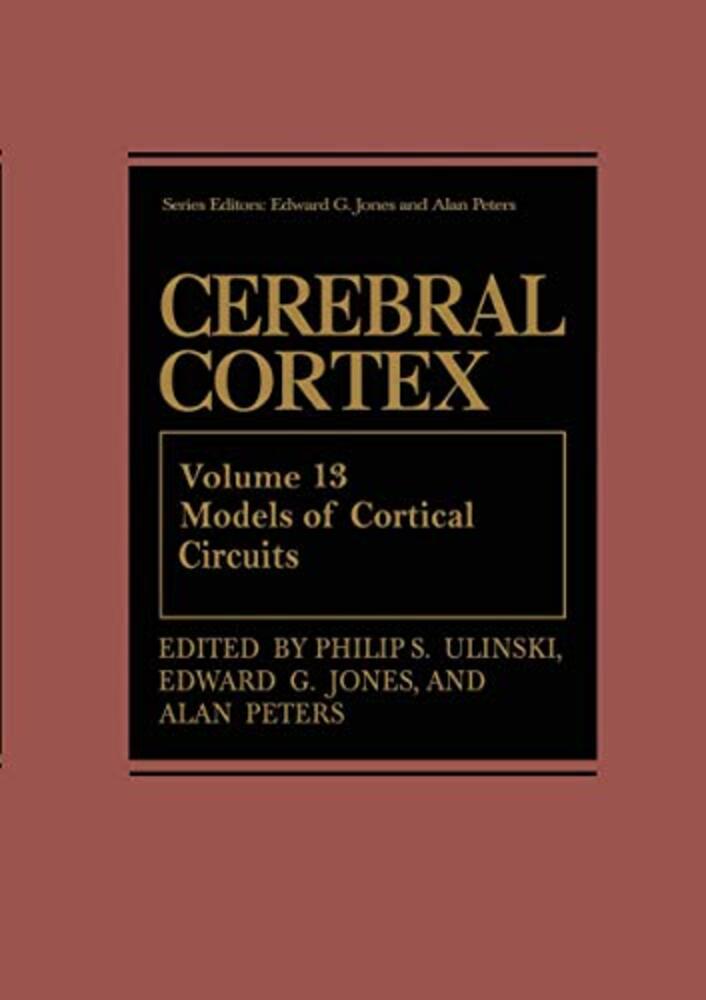
Cerebral Cortex: Models Of Cortical Circuits-..
-
- 1x de R$ 1.825,92 sem juros
- 2x de R$ 912,96 sem juros
- 3x de R$ 608,64 sem juros
- 4x de R$ 456,48 sem juros
-
R$ 1.734,62

-
R$ 1.825,92


Thisisthefirstvolumeinthe CerelJral Cortexseriesdevotedtomathematicalmodels ofthecortex. Itwasmotivatedbytherealizationthatcomputationalmodelsof individualneuronsandensemblesofneuronsareincreasinglyusedinresearchon corticalorganizationandfunction. Thisis, inpart, becauseofthenowubiquitous presenceofpowerfulandaffordablecomputers. Suitablemachineswereformerly rareinresearchlaboratoriesandrequiredsubstantialprogrammingexpertisetobe usedinconstructingandusingneuronalmodels. However, computersarenow routinelyusedinallareasofneurobiologyandanumberofsoftwarepackagesallow scientistswithminimalcomputerscienceandmathematicalbackgroundstocon- structseriousneuronalmodels. Asecondfactorleadingtotheproliferationof modelingstudiesisthedevelopmentoftechnologiesthatallowthekindsofdata collectionneededtodeveloprealisticmodelsofcorticalneurons. Characterization ofthekineticsofvoltage-andligand-gatedchannelsandreceptorshadbeenlim- itedtorelativelylargeneurons. However, therapiddevelopmentofsliceprepara- tions, patch-clampmethods, andimagingmethodsbasedonvoltage-sensitivedyes andintracellularcalciumindicatorshasresultedinasignificantdatabaseonthe biophysicalfeaturesofcorticalneurons.Thescopeofmodelingapproachestocorticalneuronsandfunctionsiswide anditseemednecessarytolimitthepurviewofthevolume. Thefocusisonattempts tounderstandthepropertiesofindividualcorticalneuronsandneuronalcircuitry throughmodelsthatincorporatesignificantfeaturesofcellularmorphologyand physiology. Noattemptwasmadetoincludemodelingapproachestounderstanding corticaldevelopmentandplasticity. Thus, workdealingwiththedevelopmentof oculardominancecolumnsandtheorientationselectivityofneuronsinvisualcortex isnotconsidered. Similarly, modelsdealingwiththecellularmechanismsunderlying long-termplasticityandwithapproachestolearningandmemorybasedonmodifica- tionofHebbiansynapsesarenotconsidered. Relativelyabstractattemptstounder- standhigherlevelandcognitiveprocessesbasedonneuralnetsrepresentasecond, majorareaofworkthatisnottreated. Modelsofcognitiveprocessesbasedon dynamicalsystemsmethodsinwhichnoattemptismadetoincludethebiophysical featuresofindividualneuronsarealsonotconsidered. vii viii Thetenmajorchaptersfallintothreegroups. Thefirstgroupdealswith compartmentalmodelsofindividualcorticalneurons.LyleBorg-Grahamprovides PREFACE anintroductiontothemethodsinvolvedinconstructingcompartmentalmodels andthenreviewstheexistingmodelsofhippocampalpyramidalcells. Becauseof theeffectivenessofhippocampalslicepreparations, theseneuronshavewell-ehar- acterizedbiophysicalproperties. Thischapterillustrateshowcompartmentalmod- elscanbeusedtosynthesizeexperimentaldataandprovideanintegrativeviewof thepropertiesofindividualneurons. PaulRhodescontinuesthethemebyfocusing ontheroleofvoltage-gatedchannelslocatedonthedendritesofcorticalneurons. Thisisanareainwhichtechnologicaladvancesinthevisualizationofneuronsin slicepreparationsbasedoninfraredmicroscopyhavegreatlyexpandedtheinfor- mationavailableondendriticfunctioninjustafewyears. Thechapterbothreviews theexperimentaldataonactivedendriticconductancesandemphasizestheirpo- tentialfunctionalroles. Thesecondgroupofchaptersdealwiththegenerationofreceptivefield propertiesofneuronswithinvisualcortex. Theyaddressissuesstemmingfromthe originalattempttounderstandhowthereceptivefieldpropertiesofneuronsincat andmonkeyprimaryvisualcortexaregeneratedbyinteractionsbetweengenicu- lateafferentsandcorticalneurons.ThechapterbyFlorentinWorgotterevaluates modelsthathavebeenusedtoanalyzethegenerationofreceptivefieldproperties. RodneyDouglasandhiscolleaguesaddressaspecificsetofissuesdealingwiththe roleofintracorticalexcitationmediatedbypyramidalcellcollaterals. Animportant featureofthischapterisitsrelationtoattempttoconstructfabricatedcircuitsthat duplicatethefunctionsofcorticalcircuits. ThechapterbyPhilipUlinskifocuseson thegenerationofmotion-selectivepropertiesincorticalneurons. Itseekstoidenti- tycellularmechanismsusedbyneuronsthatrespondpreferentiallytovisualstimuli movingwithp
| ISBN | 9781461372233 |
| Autor(a) | Ulinski, Philip S. |
| Editora | Springer Publishing |
| Ano de edição | 2012 |
| Páginas | 573 |
| Acabamento | Brochura |
| Dimensões | 25,40 X 17,80 |
Produtos relacionados
-
 Cerebral Cortex: Models Of Cortical Circuits-..R$ 1.825,92até 4x de R$ 456,48 sem jurosou R$ 1.734,62 via Pix
 -
 Cerebral Cortex: Functional Properties Of Cortical Cells-..R$ 912,92até 4x de R$ 228,23 sem jurosou R$ 867,27 via Pix
 -
 Cerebral Cortex: Further Aspects Of Cortical Function, Including Hippocampus-..R$ 912,92até 4x de R$ 228,23 sem jurosou R$ 867,27 via Pix
 -
 Cerebral Cortex: Development And Maturation Of Cerebral Cortex-..R$ 912,92até 4x de R$ 228,23 sem jurosou R$ 867,27 via Pix
-

Categorias
Conteúdo
Sobre a loja
Myre Livraria, sua livraria online especializada em importação e revenda de livros nacionais e internacionais. Oferecemos uma vasta seleção de materiais didáticos de alta qualidade para aprender inglês, espanhol, francês, alemão e muito mais. Aproveite preços competitivos e entrega rápida em todo o Brasil
Pague com

Selos

Myre Editora Ltda. - CNPJ: 50.295.718/0001-20 © Todos os direitos reservados. 2026
