


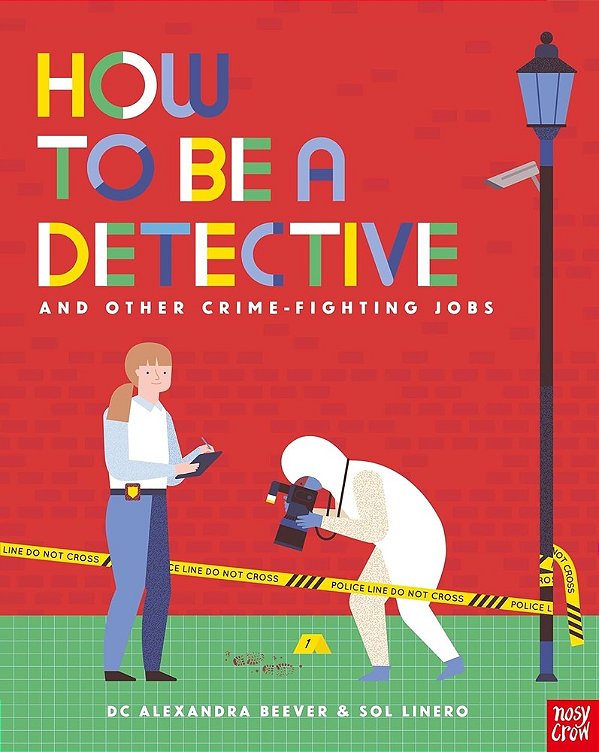


Like the other How To Be books, this latest offers an accessible, in-depth introduction to the profession.
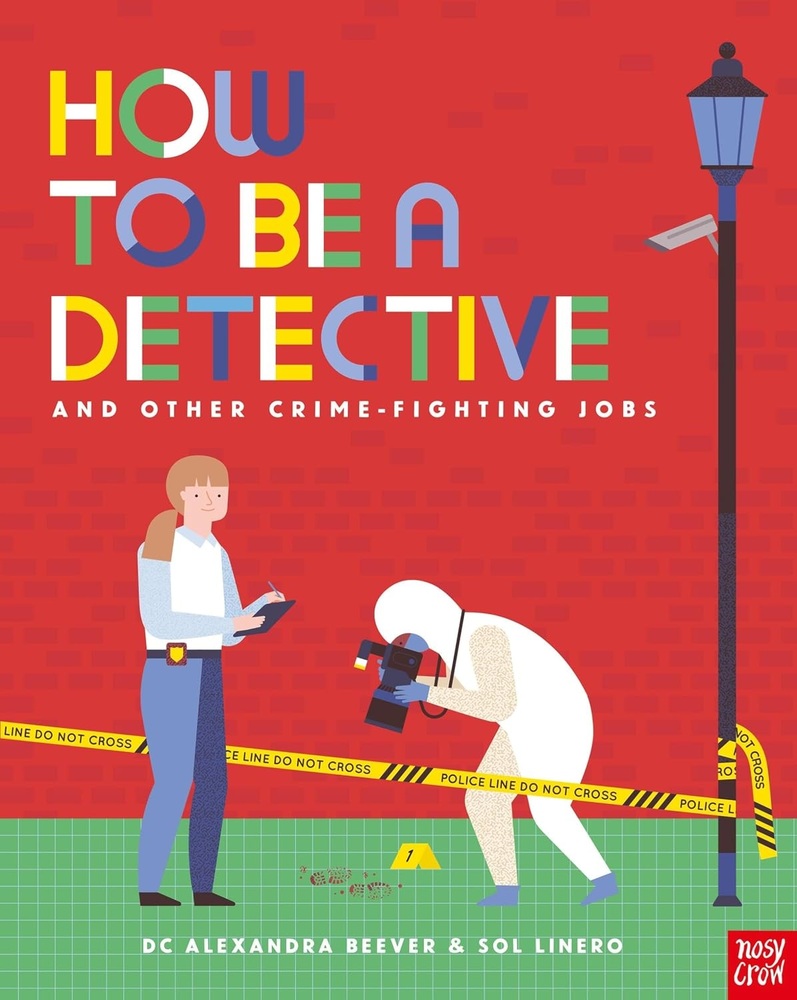
Veteran detective Beever explains exactly what a detective is, what equipment detectives use, and why they are needed. A timeline of the profession starts in 1833, with the Parisian Eugène Vidocq, and cites notable contributors, including Kate Warne, a Pinkerton employee and the first female detective. It ends in 2000 with the introduction of drones. Beever covers such topics as what skills are useful for a detective, how detectives are trained, and the many different kinds of crime-fighting jobs, including those involving vehicles, criminal science, or intelligence. The book further delves into the processes of reporting a crime and crime scene investigation, as well as what happens when a suspect is identified and when a person goes to court. The writing is clear, concise, and to the point; important words are in boldface, and potentially unfamiliar words and phrases are explained in the text. Beever writes in a manner accessible for the target age range. Stylized illustrations use flat, sharp-edged color blocks to define elements and provide informative, idealized depictions of detectives at work. Crime fighters and members of the public depicted include wheelchair users, people wearing head scarves, a detective in a Sikh turban, and people with a variety of skin tones.
No great mystery here: All evidence points to a career-shelf winner.-Kirkus Reviews
"This generously illustrated guide packs in lots of information and offers a fresh update for career collections."-Kathleen McBroom, Booklist
This British picture-book import does a creditable job of introducing detectives and other crimefighting
jobs. Fairly sophisticated text defines vocabulary words within context, offering
accessible explanations of terms from suspect, witness, and evidence all the way through to
prosecutor, jury, and "beyond a reasonable doubt." Various aspects of detective work are
considered in two-page spreads (training, tasks, crimes, types of evidence) supported by
illustrations that reinforce concepts and feature a diverse cast (a variety of skin tones, gender
and cultural representation, and characters of different physical abilities). Helpfulness, fairness,
and hard work are emphasized as necessary personality traits for people in these lines of work,
and additional skills (a good memory, attention to detail, being good at math, taking accurate
measures) are also mentioned. Outside agencies are briefly profiled (private concerns, Secret
Service, FBI, SWAT teams, and search and rescue), as are crime specialties (forensic scientists,
pathologists, entomologists, lab analysts, psychologists, etc.). This generously illustrated guide
packs in lots of information and offers a fresh update for career collections.-Kathleen McBroom, Booklist
| ISBN | 9781839941269 |
| Autor(a) | DC Alexandra Beever & Sol Linero |
| Editora | Nosy Crow |
| Idioma | Inglês Britânico |
| Ano de edição | 2023 |
| Páginas | 32 |
| Acabamento | Brochura |
| Dimensões | 9,20 X 11,60 |
Produtos relacionados
-
 Don't Be A Victim: Fighting Back Against America's Crime Wave-..R$ 207,42até 4x de R$ 51,85 sem jurosou R$ 197,05 via Pix
-

Categorias
Conteúdo
Sobre a loja
Myre Livraria, sua livraria online especializada em importação e revenda de livros nacionais e internacionais. Oferecemos uma vasta seleção de materiais didáticos de alta qualidade para aprender inglês, espanhol, francês, alemão e muito mais. Aproveite preços competitivos e entrega rápida em todo o Brasil
Pague com

Selos

Myre Editora Ltda. - CNPJ: 50.295.718/0001-20 © Todos os direitos reservados. 2026
