


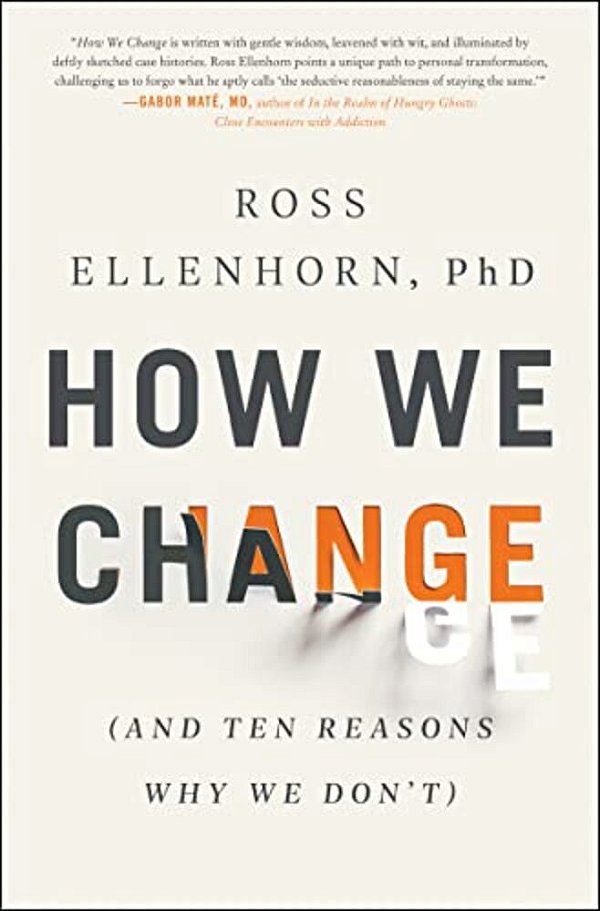
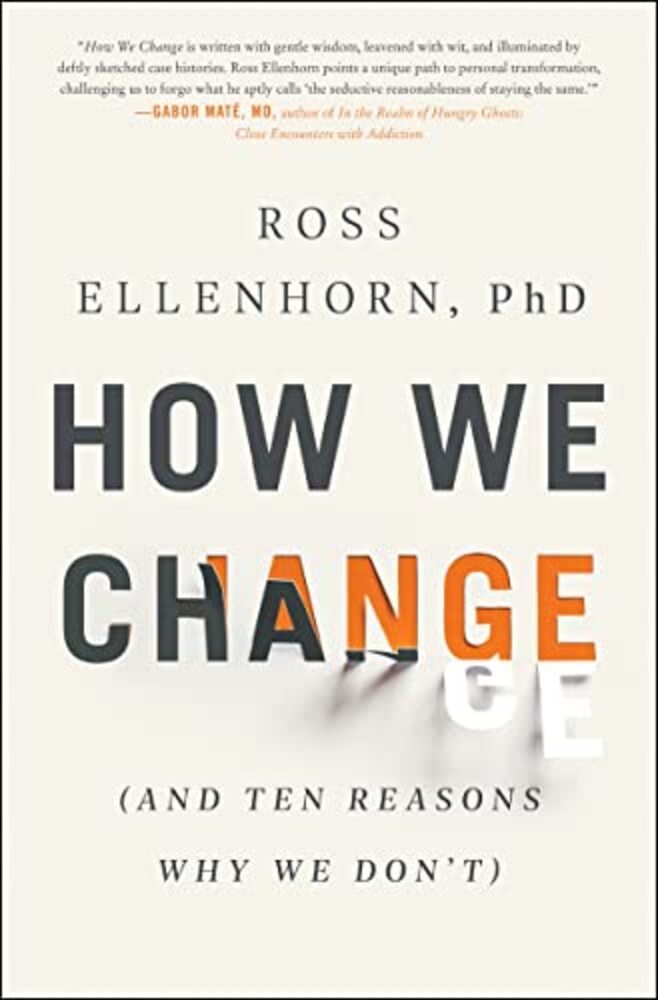
How We Change: (And Ten Reasons Why We Don'T)-..
-
- 1x de R$ 165,92 sem juros
- 2x de R$ 82,96 sem juros
- 3x de R$ 55,30 sem juros
-
R$ 157,62

-
R$ 165,92


The Coronaviruspandemic has revealed a very big secret we've been keeping from ourselves andeach other: We can be remarkably agile in the face of change. How is itthat we are able to so radically and rapidly change our daily behavior in orderto follow the social distancing and stay-at-home policies during the pandemic, and yet--pandemic or not--we typically find it difficult, if not impossible, toreach smaller personal goals like dieting, getting organized or changingdestructive habits? Thepandemic is life-threatening, so it ignites our survival instincts, activatingthat part of our brains charged with speedily and efficiently getting us tosafety. But cholesterol, alcohol, andphysical passivity are all life-threatening, and many of us humans have done alousy job changing in regard to these issues, even when we have reliableinformation that they are killing us. Why do we struggle to change what wouldso obviously help ourselves individually? RossEllenhorn's book, How we Change (and the Ten Reasons Why We Don't) givesa fascinating answer. A clinician andthought leader in the mental health and addiction fields, he suggests thatwe're often looking in the wrong direction when we try to decipher the factors thatsupport human change. He suggests thatit's much more fruitful to look at why we don't change, than figure outwhy we do. By looking at the reasons we don't change, we give ourselves thebest chance of actually changing in meaningful ways. Ellenhorn explainshow we are wired to double down on the familiar because of what he calls the"Fear of Hope" - the act of protecting ourselves from furtherdisappointment--and identifies the "10 Reasons Not to Change" to help us see whywe behave the way we do when we are faced with the challenge of hope. Amongthem are: - To change means raisingyour expectations and thus risking that you'll disappoint yourself.- Once you change, you aremore accountable to make other changes than if you stayed the same- When you change, yourfuture become much less predictable.- Change means destroyingpsychological monuments you've built to commemorate past injuries- Every time you change, you raise the possibility of losing or disrupting your relationship withcertain peopleBy addressing this little known reality offear of hope, and how it influences the 10 Reasons Not to Change, Ellenhornactually gives us hope, helping us to work toward the change we seek. Ellenhornspeaks to the core of our insecurities and fears about ourselves, with a humorand kindness. By turning our judgments about self-destructive behaviors intocurious questions about them, he teaches us to think about our actions todiscover what we truly want - even if we're going about getting it in the wrongway. How We Change is a brilliant approach that will forever alter ourperspective - and help us achieve the transformation we truly seek.
| ISBN | 9780062961105 |
| Autor(a) | Ellenhorn, Ross |
| Ano de edição | 2023 |
| Páginas | 400 |
| Acabamento | Brochura |
| Dimensões | 20,10 X 13,20 |
Produtos relacionados
-
 Lifespan: Why We Age--and Why We Don't Have To-..R$ 249,00até 4x de R$ 62,25 sem jurosou R$ 236,55 via Pix
 -
 Why We Travel: 100 Reasons To See The World-..R$ 207,09até 4x de R$ 51,77 sem jurosou R$ 196,74 via Pix

Categorias
Conteúdo
Sobre a loja
Myre Livraria, sua livraria online especializada em importação e revenda de livros nacionais e internacionais. Oferecemos uma vasta seleção de materiais didáticos de alta qualidade para aprender inglês, espanhol, francês, alemão e muito mais. Aproveite preços competitivos e entrega rápida em todo o Brasil
Pague com

Selos

Myre Editora Ltda. - CNPJ: 50.295.718/0001-20 © Todos os direitos reservados. 2026
