


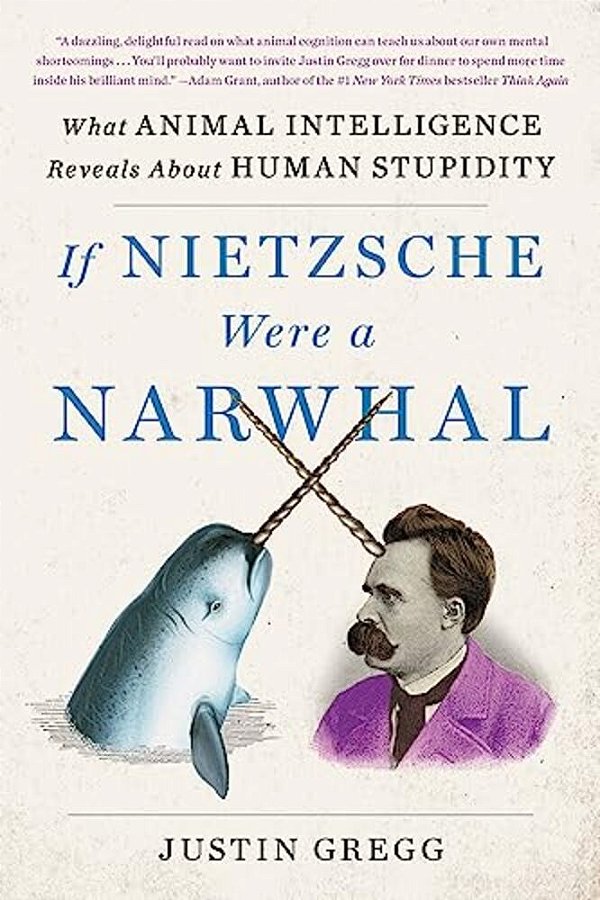
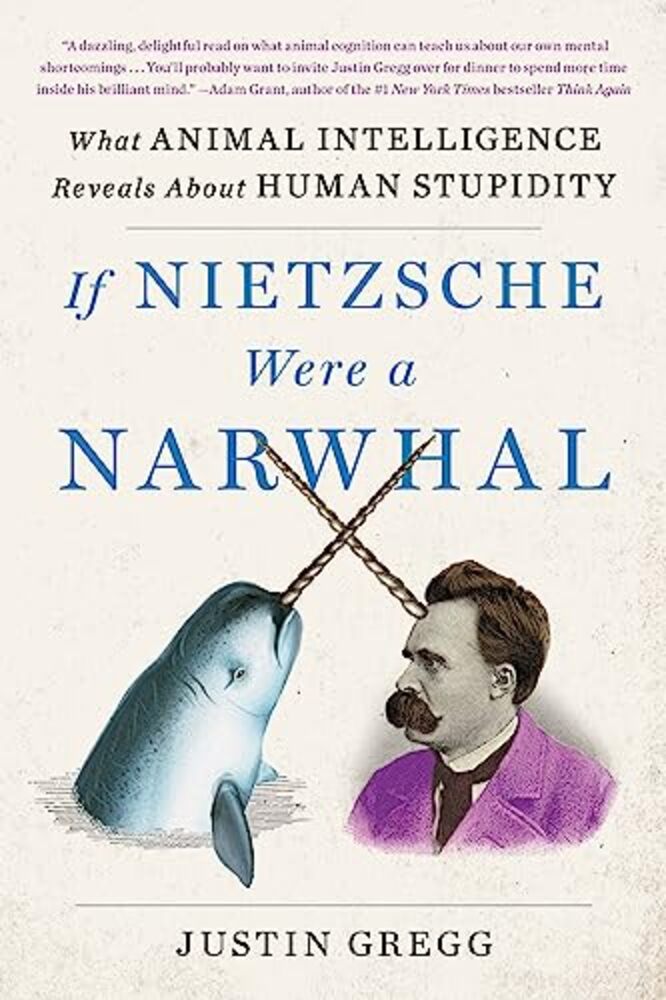
If Nietzsche Were A Narwhal: What Animal Intelligence Reveals About Human Stupidity-..
-
- 1x de R$ 165,92 sem juros
- 2x de R$ 82,96 sem juros
- 3x de R$ 55,30 sem juros
-
R$ 157,62

-
R$ 165,92


This funny, "extraordinary and thought-provoking" (The Wall Street Journal) book asks whether we are in fact the superior species. As it turns out, the truth is stranger--and far more interesting--than we have been led to believe. If Nietzsche Were a Narwhal overturns everything we thought we knew about human intelligence, and asks the question: would humans be better off as narwhals? Or some other, less brainy species? There's a good argument to be made that humans might be a less successful animal species precisely because of our amazing, complex intelligence. All our unique gifts like language, math, and science do not make us happier or more "successful" (evolutionarily speaking) than other species. Our intelligence allowed us to split the atom, but we've harnessed that knowledge to make machines of war. We are uniquely susceptible to bullshit (though, cuttlefish may be the best liars in the animal kingdom); our bizarre obsession with lawns has contributed to the growing threat of climate change; we are sexually diverse like many species yet stand apart as homophobic; and discriminate among our own as if its natural, which it certainly is not. Is our intelligence more of a curse than a gift? As scientist Justin Gregg persuasively argues, there's an evolutionary reason why human intelligence isn't more prevalent in the animal kingdom. Simply put, non-human animals don't need it to be successful. And, miraculously, their success arrives without the added baggage of destroying themselves and the planet in the process. In seven mind-bending and hilarious chapters, Gregg highlights one feature seemingly unique to humans--our use of language, our rationality, our moral systems, our so-called sophisticated consciousness--and compares it to our animal brethren. Along the way, remarkable tales of animal smarts emerge, as you'll discover: "A dazzling, delightful read on what animal cognition can teach us about our own mental shortcomings." --Adam Grant The house cat who's better at picking winning stocks than actual fund managers Elephants who love to drink Pigeons who are better than radiologists at spotting cancerous tissue Bumblebees who are geniuses at teaching each other soccer What emerges is both demystifying and remarkable, and will change how you look at animals, humans, and the meaning of life itself. San Francisco Chronicle bestseller - BOOKRIOT Best Books of the Year - Next Big Idea Book Club Best Science Books of the Year "I love the book, and everyone should read it." --Ryan Holiday "Undeniably entertaining." --TheNew York Times
Gregg, Justin
Justin Gregg além de Se Nietzsche Fosse um Narval, também é autor de Twenty-two Fantastical Facts About Dolphis. Ele escreve sobre comportamento e cognição animal; seus artigos e suas postagens em blogs foram publicados em periódicos como The Wall Street Journal, Aeon Magazine, Scientific American, BBC Focus, Slate, Diver Magazine e outras publicações impressas e online. Justin produziu e apresentou o podcast de ciência de golfinhos The Dolphin Pod e forneceu as vozes de personagens em diversos filmes de animação. Justin palestra regularmente sobre tópicos relacionados à cognição animal, especificamente dos golfinhos, e ministra um curso sobre mentes animais na Universidade St. Francis Xavier.
Justin recebeu seu doutorado pela School of Psychology da Trinity College de Dublin, Irlanda, em 2008, no qual estudou a cognição social dos golfinhos. Atualmente, é professor adjunto da Universidade St. Francis Xavier e pesquisador associado sênior do Dolphin Communication Project. O foco de sua pesquisa é a cognição social de golfinhos, e seu interesse principal é a linguística e a evolução da linguagem. |
| ISBN | 9780316388160 |
| Autor(a) | Gregg, Justin |
| Editora | Little, Brown Paperbacks |
| Ano de edição | 2023 |
| Páginas | 320 |
| Acabamento | Brochura |
| Dimensões | 20,80 X 16,50 |
Produtos relacionados
-
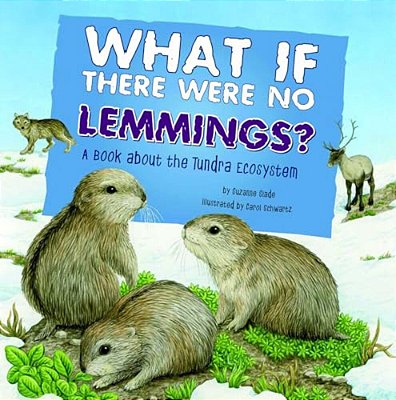 What If There Were No Lemmings?: A Book About The Tundra Ecosystem-..R$ 243,36até 4x de R$ 60,84 sem jurosou R$ 231,19 via Pix
 -
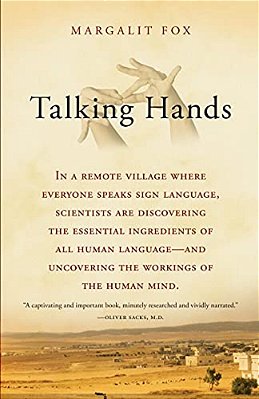 Talking Hands: What Sign Language Reveals About The Mind-..R$ 190,82até 3x de R$ 63,60 sem jurosou R$ 181,28 via Pix

Categorias
Conteúdo
Sobre a loja
Myre Livraria, sua livraria online especializada em importação e revenda de livros nacionais e internacionais. Oferecemos uma vasta seleção de materiais didáticos de alta qualidade para aprender inglês, espanhol, francês, alemão e muito mais. Aproveite preços competitivos e entrega rápida em todo o Brasil
Pague com

Selos

Myre Editora Ltda. - CNPJ: 50.295.718/0001-20 © Todos os direitos reservados. 2026
