


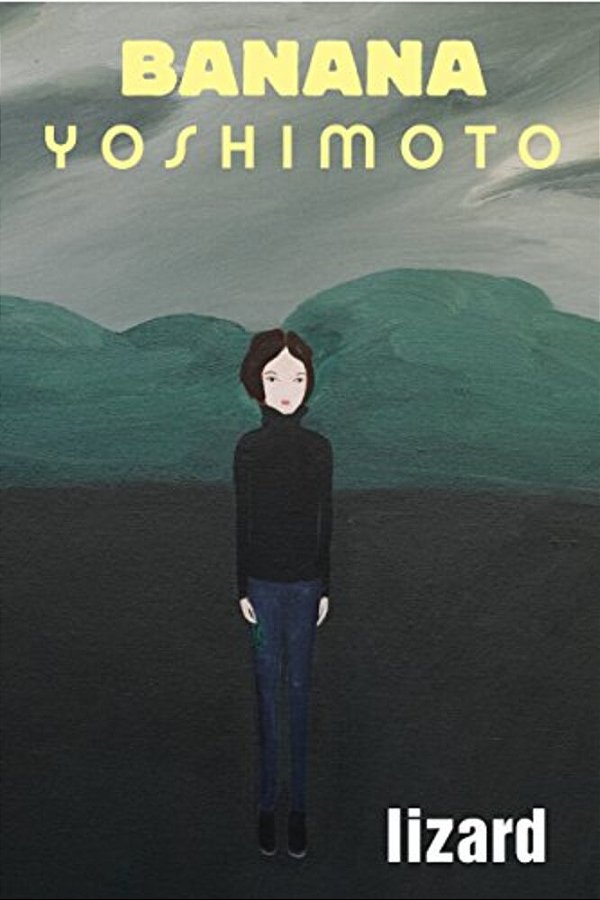


"Yoshimoto's elegant, fey touch with such weighty themes as despair and fate, [and] her urban images distilled and shimmering as haiku . . . continue to make her a welcome and uniquely assured voice." --Paper magazine Banana Yoshimoto's warm, witty, and heartfelt depictions of the lives of young Japanese have earned her international acclaim and best-seller status, as well as a place among the best of contemporary Japanese literature. In Lizard, now available in Grove Press paperback, Yoshimoto deftly fuses traditional and pop culture to create contemporary portraits of love and life. These six tales explore themes of time, healing, and fate--and the journeys of self-discovery through which young urbanites come to terms with them. In "Newlywed," an unhappily married young man deliberately misses his stop on the train, only to be questioned by a shape-shifting homeless man about the trials of his marriage. In "Blood and Water," a woman recalls how she left the village she grew up in--which was run by a New Age cult--in order to lead a fulfilling life, even against her parents' wishes. And in the title story, "Lizard," a woman who has never before felt truly secure in her life admits a deep secret to her lover--that she has the ability to heal others with her mind. In different ways, these six stories explore what it takes to navigate the perils of the modern world as well as what it takes to reinvent one's self. Permeated by the author's own effervescent spin on magic realism, Lizard cements a special place for Yoshimoto in twentieth-century Japanese fiction. "Earnest, deep, and unaffected. . . . These stories . . . [are] quick and delicate, building, one after another, in a gentle crescendo of understanding and intensity." --The New Yorker
Yoshimoto, Banana
Banana Yoshimoto, cujo nome de batismo é Mahoko Yoshimoto, nasceu em Tóquio, em 24 de julho de 1964, filha do poeta e militante de esquerda Takaaki Yoshimoto (1924-2012). Formada em literatura pela Universidade Nihon, foi muito bem recebida pela crítica por sua obra de estreia, Kitchen, publicada em 1988, quando ainda era estudante universitária. Kitchen lhe rendeu o prêmio literário Izumi Kyoka. Tendo começado a escrever de forma bastante precoce, aos cinco anos de idade, ela adotou o pseudônimo “Banana” pelo apreço que tem por flores de bananeira. Seus livros já foram traduzidos para mais de vinte idiomas. O tema da morte e a preferência por protagonistas mulheres são algumas das marcas mais evidentes na escrita da autora, cujos personagens nunca caem nos lugares-comuns: ao contrário, são sempre excêntricos. |
| ISBN | 9780802124395 |
| Autor(a) | Yoshimoto, Banana |
| Editora | Grove |
| Ano de edição | 2018 |
| Páginas | 176 |
| Acabamento | Brochura |
| Dimensões | 18,00 X 12,50 |
Produtos relacionados



Categorias
Conteúdo
Sobre a loja
Myre Livraria, sua livraria online especializada em importação e revenda de livros nacionais e internacionais. Oferecemos uma vasta seleção de materiais didáticos de alta qualidade para aprender inglês, espanhol, francês, alemão e muito mais. Aproveite preços competitivos e entrega rápida em todo o Brasil
Pague com

Selos

Myre Editora Ltda. - CNPJ: 50.295.718/0001-20 © Todos os direitos reservados. 2026
