


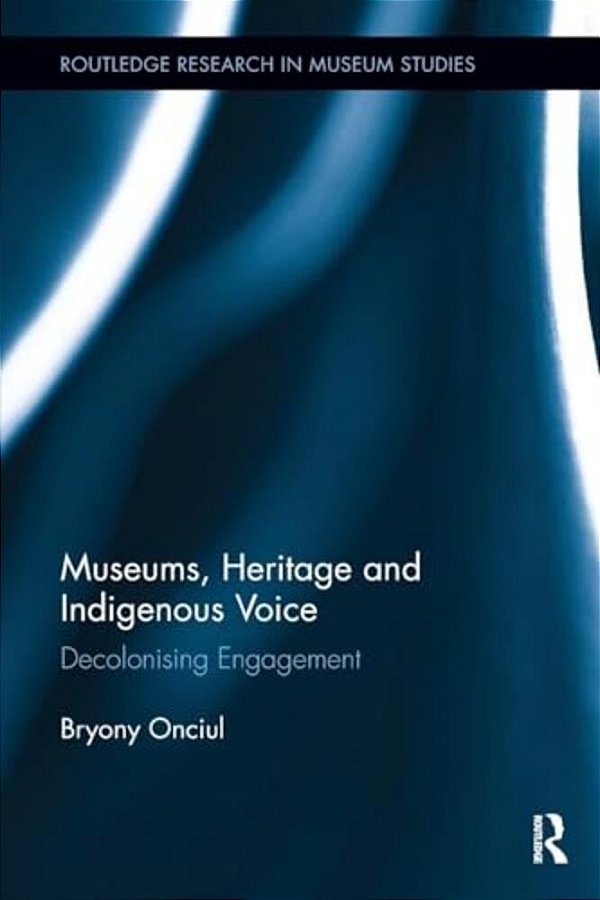
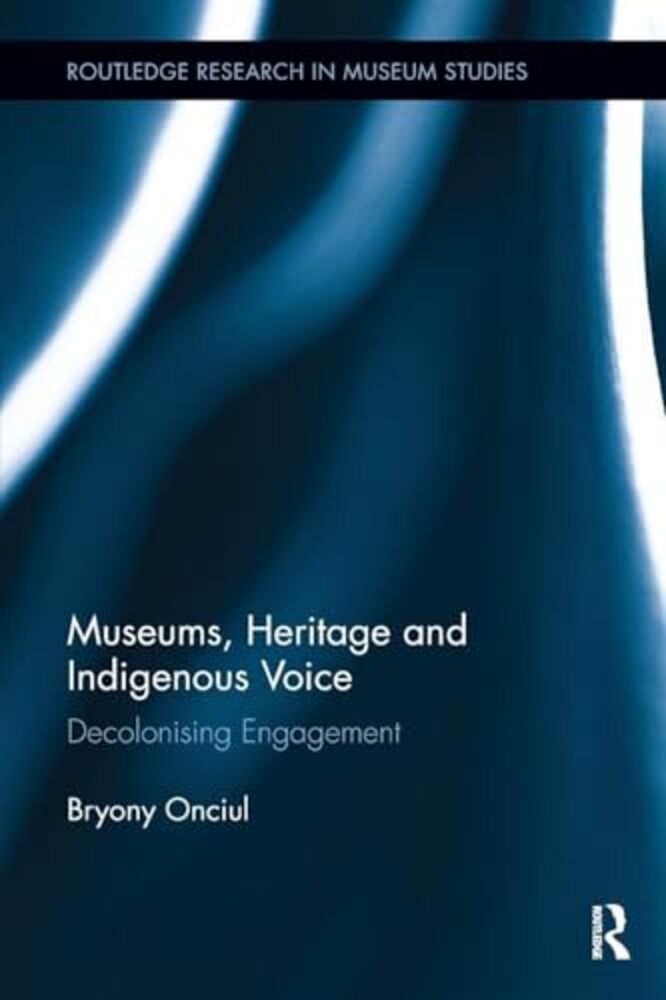
Museums, Heritage And Indigenous Voice: Decolonizing Engagement-..
-
- 1x de R$ 489,62 sem juros
- 2x de R$ 244,81 sem juros
- 3x de R$ 163,20 sem juros
- 4x de R$ 122,40 sem juros
-
R$ 465,14

-
R$ 489,62


Current discourse on Indigenous engagement in museum studies is often dominated by curatorial and academic perspectives, in which community voice, viewpoints, and reflections on their collaborations can be under-represented. This book provides a unique look at Indigenous perspectives on museum community engagement and the process of self-representation, specifically how the First Nations Elders of the Blackfoot Confederacy have worked with museums and heritage sites in Alberta, Canada, to represent their own culture and history. Situated in a post-colonial context, the case-study sites are places of contention, a politicized environment that highlights commonly hidden issues and naturalized inequalities built into current approaches to community engagement. Data from participant observation, archives, and in-depth interviewing with participants brings Blackfoot community voice into the text and provides an alternative understanding of self and cross-cultural representation. Focusing on the experiences of museum professionals and Blackfoot Elders who have worked with a number of museums and heritage sites, Indigenous Voices in Cultural Institutions unpicks the power and politics of engagement on a micro level and how it can be applied more broadly, by exposing the limits and challenges of cross-cultural engagement and community self-representation. The result is a volume that provides readers with an in-depth understanding of the nuances of self-representation and decolonization.
| ISBN | 9780815346777 |
| Autor(a) | Onciul, Bryony |
| Editora | Routledge |
| Ano de edição | 2017 |
| Páginas | 282 |
| Acabamento | Brochura |
| Dimensões | 22,90 X 15,20 |
Produtos relacionados
-
 Museums, Heritage And Indigenous Voice: Decolonizing Engagement-..R$ 2.074,92até 4x de R$ 518,73 sem jurosou R$ 1.971,17 via Pix
 -
 Museums And Maori: Heritage Professionals, Indigenous Collections, Current Practice-..R$ 1.942,12até 4x de R$ 485,53 sem jurosou R$ 1.845,01 via Pix
 -
 Museums And Maori: Heritage Professionals, Indigenous Collections, Current Practice-..R$ 539,42até 4x de R$ 134,85 sem jurosou R$ 512,45 via Pix
 -
 Heritage, Indigenous Doing, And Wellbeing: Voices Of Country-..R$ 1.942,12até 4x de R$ 485,53 sem jurosou R$ 1.845,01 via Pix
-

Categorias
Conteúdo
Sobre a loja
Myre Livraria, sua livraria online especializada em importação e revenda de livros nacionais e internacionais. Oferecemos uma vasta seleção de materiais didáticos de alta qualidade para aprender inglês, espanhol, francês, alemão e muito mais. Aproveite preços competitivos e entrega rápida em todo o Brasil
Pague com

Selos

Myre Editora Ltda. - CNPJ: 50.295.718/0001-20 © Todos os direitos reservados. 2026
