


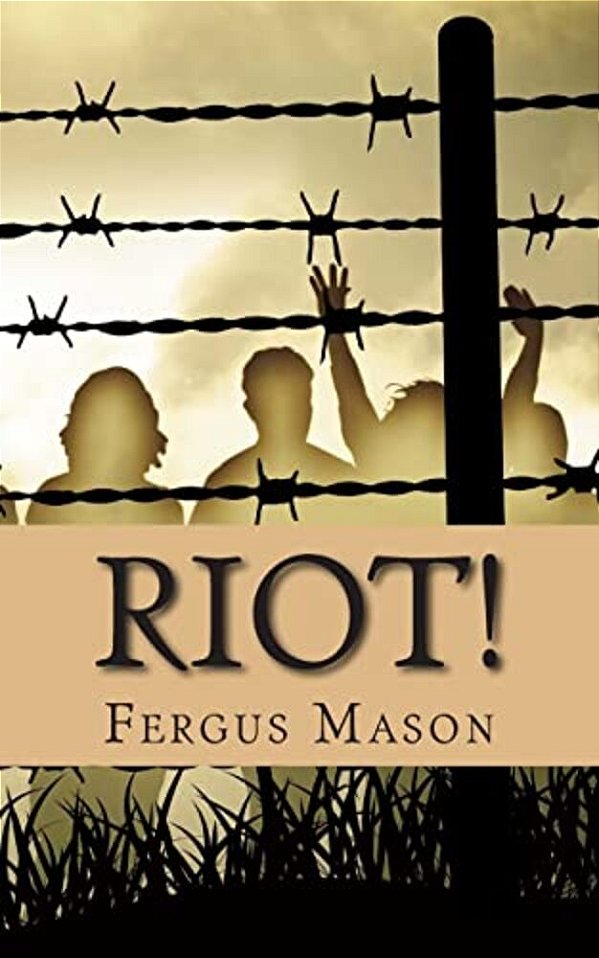
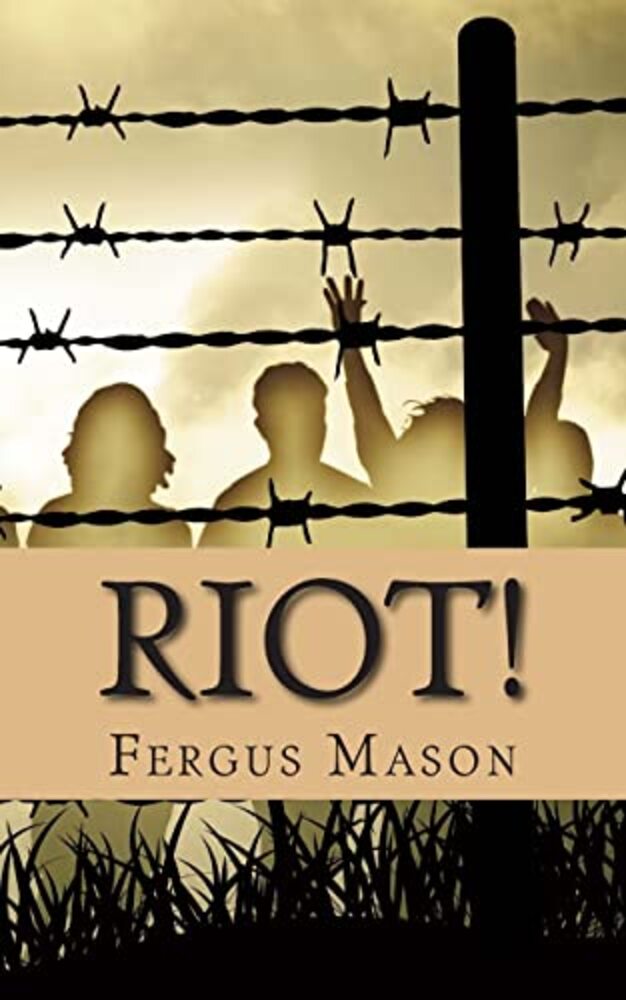
Riot!: The Incredibly True Story Of How 1,000 Prisoners Took Over Attica Prison-..
-
- 1x de R$ 116,12 sem juros
- 2x de R$ 58,06 sem juros
-
R$ 110,31

-
R$ 116,12


In the summer of 1971, tensions in America's prisons were at a breaking point. Across the country, incarcerated men lived under harsh conditions, cut off from fair treatment and basic rights. Then came August 21, the day George Jackson-a writer, activist, and leader in the Black Panther Party-was killed while attempting to escape San Quentin Prison in California. To many, his death was more than a single tragedy. It symbolized the deep racial and political divides of the era.News of Jackson's death traveled quickly. In upstate New York, the men held at Attica Prison listened with anger and fear. Already frustrated by overcrowding, limited medical care, and almost no chance for reform, they saw his killing as proof that the system would never change on its own. Less than three weeks later, that anger exploded.On September 9, 1971, prisoners at Attica seized control of the facility in one of the most dramatic uprisings in American history. Guards were taken hostage. Cellblocks were barricaded. For four tense days, the prison was in the hands of the inmates, who demanded food, medical treatment, education, and basic human dignity. Outside the walls, the eyes of the world turned to Attica as officials, negotiators, and families waited to see what would happen next.What began as a protest for justice spiraled into a standoff filled with fear, courage, and tragedy. When state authorities finally moved in, the result was devastating-one of the bloodiest prison confrontations the nation had ever seen.This book tells the true story of the Attica uprising with clarity and detail, from the sparks that ignited it to the lasting questions it left behind. It is a story of power, resistance, and the human cost of a system under pressure.
Produtos relacionados
-
 Berlusconi: The Epic Story Of The Billionaire Who Took Over Italy-..R$ 307,10até 4x de R$ 76,77 sem jurosou R$ 291,74 via Pix
 -
 We Are A Garden: A Story Of How Diversity Took Root In America-..R$ 149,32até 2x de R$ 74,66 sem jurosou R$ 141,85 via Pix


Categorias
Conteúdo
Sobre a loja
Myre Livraria, sua livraria online especializada em importação e revenda de livros nacionais e internacionais. Oferecemos uma vasta seleção de materiais didáticos de alta qualidade para aprender inglês, espanhol, francês, alemão e muito mais. Aproveite preços competitivos e entrega rápida em todo o Brasil
Pague com

Selos

Myre Editora Ltda. - CNPJ: 50.295.718/0001-20 © Todos os direitos reservados. 2026
