



Scientific Sublime: Popular Science Unravels The Mysteries Of The Universe-..
-
- 1x de R$ 448,20 sem juros
- 2x de R$ 224,10 sem juros
- 3x de R$ 149,40 sem juros
- 4x de R$ 112,05 sem juros
-
R$ 425,79

-
R$ 448,20


The sublime evokes our awe, our terror, and our wonder. Applied first in ancient Greece to the heights of literary expression, in the 18th-century the sublime was extended to nature and to the sciences, enterprises that viewed the natural world as a manifestation of God's goodness, power, and wisdom. In The Scientific Sublime, Alan Gross reveals the modern-day sublime in popular science. He shows how the great popular scientists of our time--Richard Feynman, Stephen Hawking, Steven Weinberg, Brian Greene, Lisa Randall, Rachel Carson, Stephen Jay Gould, Steven Pinker, Richard Dawkins, and E. O. Wilson--evoke the sublime in response to fundamental questions: How did the universe begin? How did life? How did language? These authors maintain a tradition initiated by Joseph Addison, Edmund Burke, Immanuel Kant, and Adam Smith, towering 18th-century figures who adapted the literary sublime first to nature, then to science--though with one crucial difference: religion has been replaced wholly by science. In a final chapter, Gross explores science's attack on religion, an assault that attempts to sweep permanently under the rug two questions science cannot answer: What is the meaning of life? What is the meaning of the good life?
| ISBN | 9780190637774 |
| Autor(a) | Gross, Alan G. |
| Editora | Oxford Univ Pr |
| Ano de edição | 2018 |
| Páginas | 328 |
| Acabamento | Capa Dura |
| Dimensões | 23,90 X 16,30 |
Produtos relacionados
-
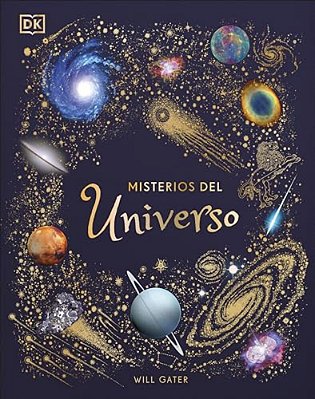 Misterios Del Universo (The Mysteries Of The Universe)-..R$ 207,42até 4x de R$ 51,85 sem jurosou R$ 197,05 via Pix
 -
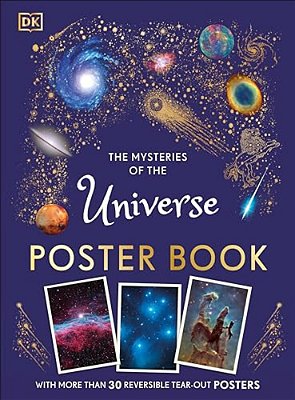 The Mysteries Of The Universe Poster Book-..R$ 141,02até 2x de R$ 70,51 sem jurosou R$ 133,97 via Pix
 -
 The Secret And Sublime: Taoist Mysteries And Magic-..R$ 356,82até 4x de R$ 89,20 sem jurosou R$ 338,98 via Pix

Categorias
Conteúdo
Sobre a loja
Myre Livraria, sua livraria online especializada em importação e revenda de livros nacionais e internacionais. Oferecemos uma vasta seleção de materiais didáticos de alta qualidade para aprender inglês, espanhol, francês, alemão e muito mais. Aproveite preços competitivos e entrega rápida em todo o Brasil
Pague com

Selos


Myre Editora Ltda. - CNPJ: 50.295.718/0001-20 © Todos os direitos reservados. 2026
